
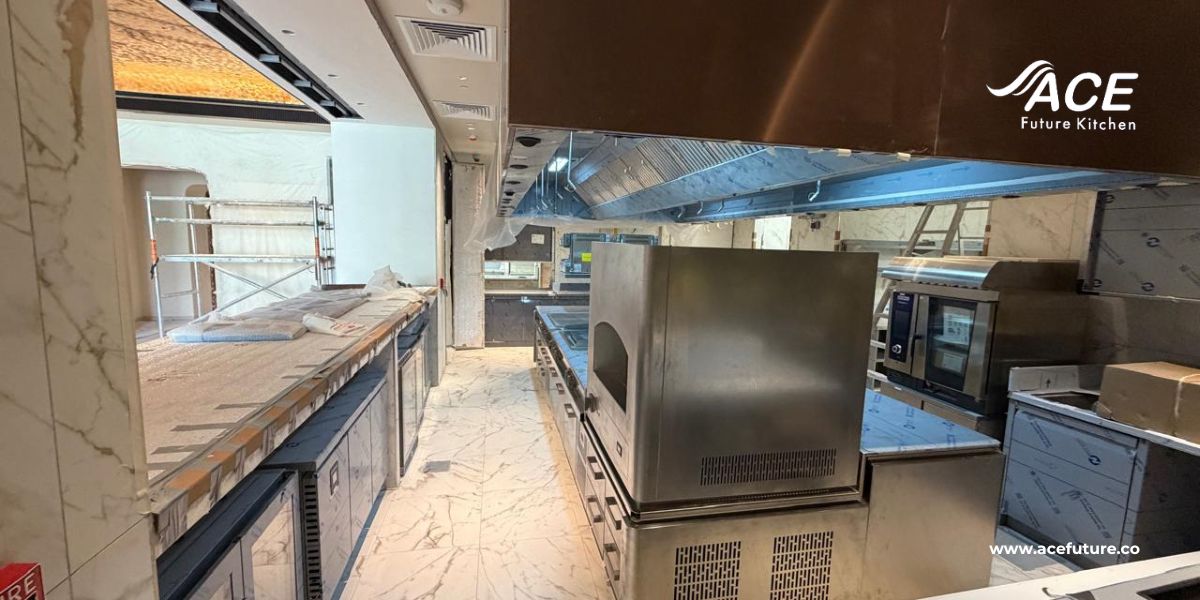
Opening a restaurant in Saudi Arabia is exciting. But it is also full of decisions that can go wrong, especially when it comes to buying kitchen equipment. Many new restaurant owners in KSA spend too much, buy the wrong things, or skip important steps without even knowing it.
At Ace Future Kitchen, we work with restaurant owners across Saudi Arabia every day. We have seen the same mistakes happen again and again. The good news is that all of them are avoidable if you know what to look for before you spend your money.
This guide covers the five most common kitchen equipment mistakes in Saudi Arabia that new restaurant owners make, and what you should do instead.
This is the most common mistake we see. A new owner gets excited, starts shopping for equipment, and buys things based on what looks good or what they think a “proper kitchen” should have, even before they have finalized their menu.
Your equipment list must come from your menu. A restaurant serving grills needs different equipment than one serving pastries or a fast-food concept. If you buy before you plan, you will almost certainly end up with equipment you do not use and missing equipment that you actually need.
What you can do instead: Finalise your core menu first. Then work with a kitchen consultancy team like ours at Ace Future Kitchen to build your equipment list based on what your kitchen actually needs to produce. This is how you avoid overspending on kitchen equipment when opening a restaurant in Saudi Arabia.
Many new owners also ask: what kitchen equipment do I actually need to open a restaurant in Riyadh? The honest answer is it completely depends on your concept. There is no single list that works for everyone. What matters is matching the equipment to the food you are cooking, the volume you expect, and the space you have.
Wrong equipment size is one of the biggest commercial kitchen mistakes new restaurant owners make and it goes both ways. Some buy equipment that is too big for their space. Others buy equipment that is too small for their volume.
An oven that cannot handle your lunch rush is just as much of a problem as a unit so large it takes over your entire kitchen. The same applies to fridges, prep tables, dishwashers, and storage units.
Undersized kitchen ventilation in Saudi Arabia is a particularly serious issue. Many new owners underestimate how much ventilation a busy kitchen needs especially in KSA where summer heat is extreme. A ventilation system that is too small will make your kitchen unbearably hot, reduce air quality, and can even become a safety and compliance issue.
What to do instead: Always plan your equipment sizes based on your expected output, not just your current expectations. But also with some room for growth. Our team at Ace Future Kitchen uses tracker sheets and work report references from similar kitchen setups to help clients choose the right sizes from the start.
You can also read about our step-by-step process for commercial kitchen projects to understand how we approach equipment sizing at every stage of a kitchen project.
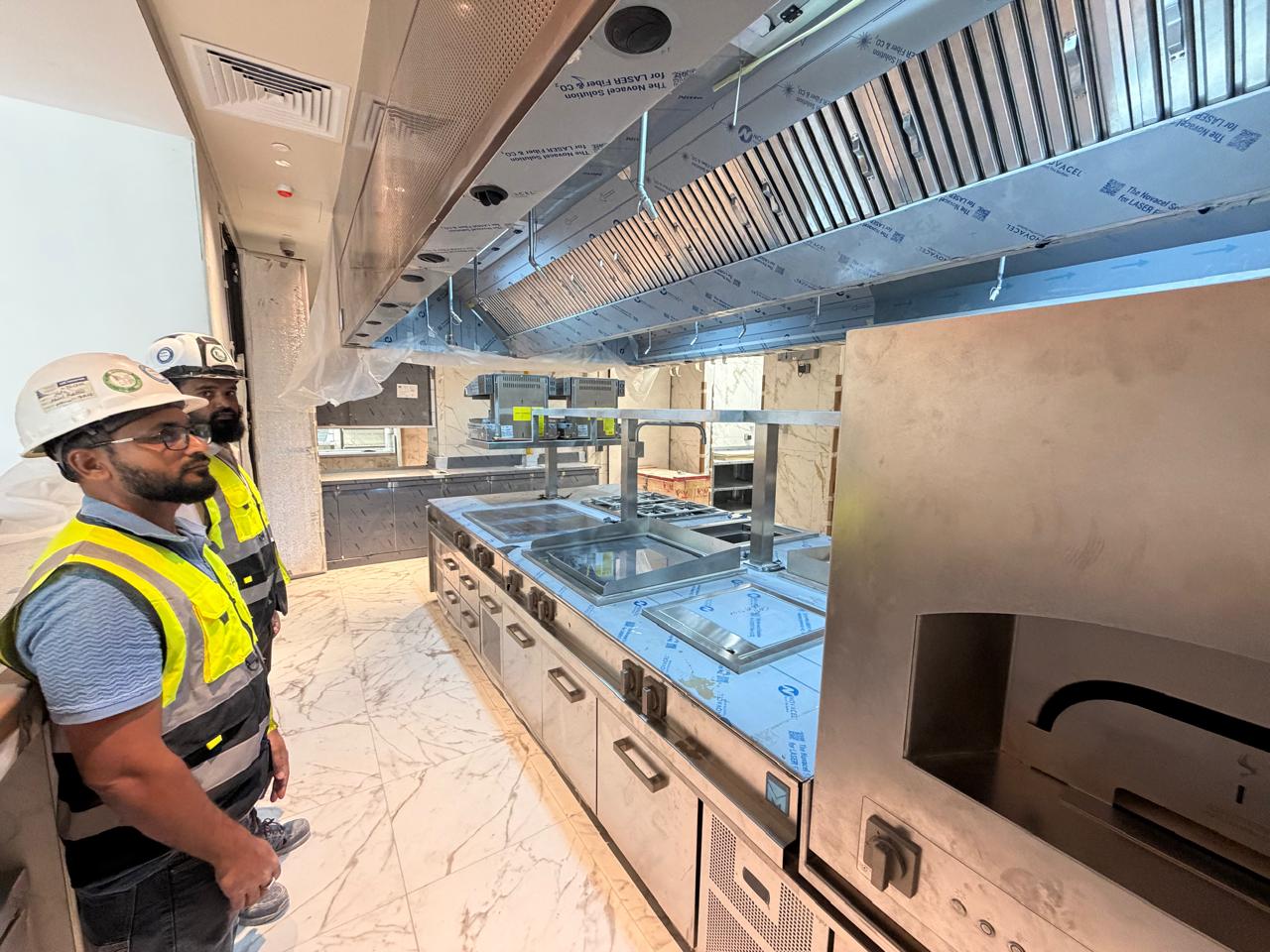
This mistake is costly and sometimes it means throwing away equipment you have already paid for.
SFDA kitchen compliance in KSA is not optional. The Saudi Food and Drug Authority has clear rules about what materials, standards, and certifications commercial kitchen equipment must meet. If your equipment does not meet these standards, you could fail your inspection, face delays in opening, or be required to replace the equipment entirely.
What happens if kitchen equipment does not meet SFDA standards in Saudi Arabia? In short you cannot legally operate. Your opening gets delayed. You lose money on equipment that cannot be used. And you have to start the purchasing process again, often under pressure and without time to shop carefully.
New restaurant owners who skip this step usually do so because they did not know the rules, not because they were careless. SFDA requirements cover everything from surface materials on prep equipment to refrigeration temperatures and ventilation standards.
What to do instead: Before you buy anything, confirm that it meets current SFDA requirements. Work with a kitchen consultancy partner who understands SFDA kitchen compliance in KSA and can review your equipment list before you place any orders. At Ace Future Kitchen, we check compliance requirements as part of our consultancy process so our clients do not get caught out.
Kitchen equipment budget mistakes in KSA are extremely common among first-time restaurant owners. They usually happen in one of two ways.
The first is overspending on equipment that is more advanced or larger than the business needs at this stage. A new café does not need the same capacity as an established hotel kitchen. Spending more than you need to at the start puts pressure on your cash flow before you have even served your first customer.
The second is underspending, choosing cheap equipment to save money, then facing constant breakdowns, repair costs, and replacements within the first year. Low-cost equipment that fails regularly ends up costing far more than a reliable unit would have from the beginning.
There is also the question many new owners ask: is it cheaper to buy or lease commercial kitchen equipment in KSA? Leasing can make sense for some businesses it reduces the upfront cost and can include maintenance. Buying outright gives you full ownership and no ongoing payments. The right answer depends on your cash position, your concept, and how long you plan to run in the same format.
What to do instead: Build a realistic budget that separates essential equipment from optional extras. Use a tracker sheet to map out every item, its cost, and its priority. At Ace Future Kitchen, we help clients create work report sheets that give a clear picture of what to buy now, what can wait, and where quality really matters. Read more about why quality matters in commercial kitchen installation to understand where cutting corners costs more in the long run.
Many new restaurant owners in KSA buy equipment from overseas suppliers without understanding the full cost and time involved in getting it to their kitchen.
Importing kitchen equipment through Saudi customs involves more than just the purchase price. There are shipping costs, import duties, customs clearance fees, and sometimes long waiting times. If your equipment is held at customs or rejected because it does not meet local standards your entire opening timeline can be thrown off by weeks or even months.
Restaurant setup mistakes in Riyadh often come down to underestimating how long the procurement process takes. An owner assumes equipment will arrive in three weeks and builds their opening date around that. Then a delay happens. Suddenly everything shifts the lease is running, the staff is hired, but the kitchen is not ready.
What to do instead: Always plan your equipment procurement with extra time built in. If you are buying commercial kitchen equipment in Saudi Arabia from an international supplier, confirm shipping timelines, customs requirements, and any documentation needed before you place your order. Work with suppliers and consultancy partners who have experience in the Saudi market and understand how the import process works.
At Ace Future Kitchen, we support our clients through this process as part of our overall kitchen consultancy service. Our work report and tracker sheet system helps owners stay on top of every delivery, every installation milestone, and every outstanding item so nothing gets forgotten and no deadline is missed.
Most of these restaurant equipment mistakes in KSA do not happen because owners are careless. They happen because opening a restaurant involves hundreds of decisions at the same time, and kitchen equipment is just one part of a very complex process.
Without the right guidance, it is easy to make choices that seem sensible at the time but cause problems later. The owners who avoid these mistakes are usually the ones who take the time to plan carefully and who work with an experienced kitchen consultancy team from the beginning.
At Ace Future Kitchen, We help new restaurant owners understand what they actually need, what compliance requires, and how to make the most of their budget. Our step-by-step approach backed by proper work report sheets and tracker sheets means every stage of your kitchen project is documented and managed properly.
You can explore our commercial kitchen solution in Saudi Arabia or learn more about why long-term support matters in commercial kitchen projects to see how we support our clients beyond the initial setup.
Kitchen layout planning for a Saudi restaurant, getting your equipment sizes right, meeting SFDA compliance, managing your budget, and handling imports correctly are all areas where new owners regularly go wrong.
The five mistakes in this guide are the ones we see most often. They are also the ones that cause the most damage in money, time, and stress. But every single one of them is avoidable with the right knowledge and the right support.
If you are planning to open a restaurant in Riyadh, Jeddah, or anywhere else in KSA, reach out to our team at Ace Future Kitchen. We are here to make sure your kitchen is built right from the very first decision.
The most common kitchen equipment mistakes in Saudi restaurants include buying equipment before finalising the menu, choosing the wrong equipment size, ignoring SFDA kitchen compliance in KSA, overspending or underspending on the budget, and not accounting for import timelines and Saudi customs requirements. Each of these mistakes can delay your opening or cost you money that is very hard to recover. At Ace Future Kitchen, our kitchen consultancy service is built around helping new owners avoid exactly these problems from the start.
Most new restaurant owners buy the wrong commercial kitchen equipment in Saudi Arabia because they start shopping before they have a clear plan. Without a finalized menu, a confirmed volume expectation, and a proper understanding of SFDA compliance requirements, it is easy to make purchases that do not match your actual needs. Many owners also rely on general advice rather than working with a kitchen consultancy team that understands the Saudi market. The result is equipment that sits unused, equipment that is too small, or equipment that fails inspection.
If your kitchen equipment does not meet SFDA kitchen compliance standards in KSA, you will not be able to pass your inspection and legally open your restaurant. In some cases, non-compliant equipment must be removed and replaced entirely which means losing the money you already spent and starting the purchasing process again under time pressure. This is one of the most expensive restaurant equipment mistakes in KSA and one of the most avoidable. Always confirm SFDA requirements before placing any equipment order.
The best way to avoid overspending on kitchen equipment when opening a restaurant in Saudi Arabia is to separate what you need from what you want, and plan your purchases in order of priority. Build your equipment list from your menu not from a general idea of what a kitchen should look like. Use a tracker sheet to map every item, its cost, and how essential it is at launch. At Ace Future Kitchen, we use work report sheets as part of our kitchen consultancy process to help owners manage their budgets clearly and make smart purchasing decisions from day one.
There is no single right answer; it depends on your cash position, your concept, and your long-term plan. Buying commercial kitchen equipment in Saudi Arabia outright means no ongoing payments and full ownership, but requires a larger upfront investment. Leasing reduces the initial cost and sometimes includes maintenance, but adds a monthly expense. For new restaurant owners in KSA who are managing cash flow carefully, leasing certain items can make sense. Our kitchen consultancy team can help you work through this decision based on your specific situation.
The equipment you need to open a restaurant in Riyadh depends entirely on your menu and your expected output. There is no universal list. A grill concept needs different equipment than a bakery or a fast-food operation. What every restaurant does need, however, is equipment that is correctly sized, SFDA compliant, and matched to the volume you plan to serve. Getting this wrong is one of the most common restaurant setup mistakes in Riyadh. At Ace Future Kitchen, we help new owners build the right equipment list through proper kitchen consultancy, not guesswork.
Importing kitchen equipment through Saudi customs takes more time and involves more cost than many new owners expect. On top of the purchase price, you need to account for shipping, import duties, customs clearance fees, and the possibility of delays if paperwork is incomplete or equipment does not meet local standards. Restaurant setup mistakes in Riyadh often happen because owners underestimate how long procurement takes and build their opening timeline around best-case delivery estimates. Always add buffer time to your schedule and confirm all documentation requirements before placing international orders.
Wrong kitchen equipment size creates problems from the very first day of service. Equipment that is too small cannot keep up with your output during busy periods leading to slow service, stressed staff, and unhappy customers. Equipment that is too large takes up space you cannot afford to waste and uses more energy than necessary. Undersized kitchen ventilation in Saudi Arabia is a particularly serious issue especially during summer as it affects air quality, working conditions, and compliance. Choosing the right size from the start, with proper kitchen layout planning for your Saudi restaurant, saves you from costly replacements later.

With 38 years of experience in the industrial kitchen and laundry business, our Co-founder began his career as a Sales Manager in 1986 and later became the CEO of a major kitchen and laundry contractor in KSA in 1999.
Open Kitchen vs. Closed Kitchen: What Works Best for Saudi Restaurants?
May 6, 2026
How to Choose the Right Deck Oven vs. Convection Oven for Your Bakery
May 5, 2026
Why Insulated Cold Rooms Are Essential in Saudi Arabia’s Extreme Heat
May 4, 2026