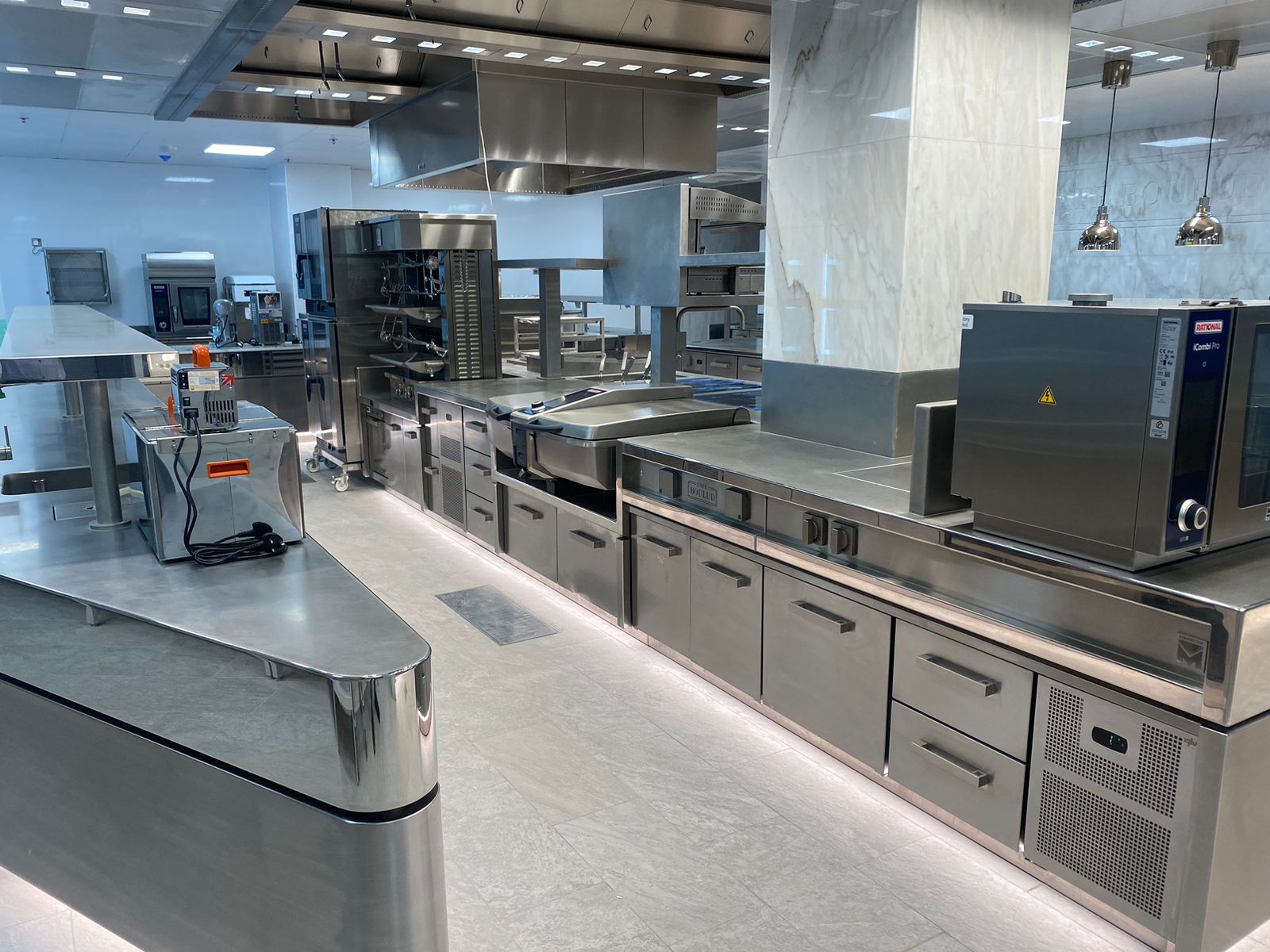
A commercial kitchen does not stop working once installation is complete. In fact, that is when real operations begin. Equipment runs for long hours every day, often under heavy load. Over time, even the best systems require attention. Without proper support, small issues can quickly turn into major disruptions.
This is why long-term support is not an optional part of a project. It is a critical factor that directly affects performance, safety, and operational continuity. At Ace Future Kitchen, the focus extends beyond execution. The team remains involved even after handover to ensure that everything continues to function smoothly.
Why Is Long-Term Support Important in Commercial Kitchen Projects?
Long-term support plays an essential role in maintaining kitchen performance. It helps businesses operate without interruptions and reduces the risk of unexpected failures.
Key benefits include:
- Ensures consistent equipment performance
- Reduces downtime and operational risks
- Extends equipment lifespan
- Improves safety and compliance
- Minimizes repair costs
- Supports smooth daily operations
Each of these points contributes to the long-term success of a commercial kitchen. Without proper support, maintaining efficiency becomes difficult.
Key Reasons Why Long-Term Support Matters
1. Ensures Consistent Performance
Commercial kitchens depend on reliable equipment. Any drop in performance can affect productivity and service quality.
Regular support helps maintain consistency. It ensures that equipment continues to operate as expected, even under demanding conditions. This consistency is important for businesses that rely on uninterrupted service.
2. Reduces Downtime
Downtime is one of the biggest challenges in commercial operations. Even a short delay can lead to operational losses.
With proper long-term support, issues are identified and addressed early. This reduces the chances of sudden breakdowns. Quick response and regular checks help keep the kitchen running without interruptions.
3. Extends Equipment Lifespan
Equipment used in commercial kitchens is a significant investment. Proper care and maintenance help protect that investment.
When equipment is supported regularly, it experiences less wear and tear. This extends its lifespan and reduces the need for frequent replacements. Over time, this leads to better cost efficiency.
4. Improves Safety Standards
Safety is a major concern in any commercial kitchen. Equipment involves heat, electricity, and continuous use.
Long-term support ensures that safety checks are carried out regularly. It helps identify potential risks before they become serious problems. This creates a safer working environment for staff.
5. Minimizes Repair Costs
Unexpected repairs can be expensive. They often require urgent attention and may involve replacing parts or equipment.
With regular support, issues are detected early. This allows for timely action, which reduces repair costs. Preventive maintenance is always more cost-effective than emergency fixes.
6. Supports Business Continuity
A commercial kitchen must operate without disruption. Consistency is key to maintaining service quality and customer satisfaction.
Long-term support ensures that operations continue smoothly. It reduces the risk of unexpected breakdowns and helps maintain workflow efficiency.
The Role of Structured Support and Tracking Systems
Support is most effective when it follows a structured approach. At Ace Future Kitchen, long-term support is managed through proper systems and clear processes.
Each project is backed by a work report sheet and tracker system. This system is not only used during execution but also supports ongoing maintenance.
It helps in:
- Tracking maintenance activities
- Monitoring equipment performance
- Scheduling regular checks
- Keeping records of service history
This structured approach ensures that nothing is overlooked. It also provides transparency and helps maintain consistency over time.
To understand more about the company’s approach and experience, you can visit About us Page.
What Happens Without Proper Support?
Ignoring long-term support can lead to several problems. These issues often appear gradually but can have a serious impact on operations.
Common challenges include:
- Frequent equipment breakdowns
- Increased maintenance costs
- Safety risks
- Reduced equipment lifespan
- Operational delays
These problems not only affect performance but also increase overall expenses. A lack of support often results in reactive maintenance, which is less efficient and more costly.
How to Ensure Strong Post-Project Support
Ensuring reliable long-term support requires a proactive approach. It is important to plan for maintenance from the beginning.
Some key practices include:
- Working with an experienced contractor
- Scheduling regular maintenance checks
- Using structured tracking systems
- Ensuring quick response to issues
These steps help maintain efficiency and reduce risks. A well-supported kitchen performs better and lasts longer.
Frequently Asked Questions
1. Why is long-term support critical for commercial kitchen operations?
Long-term support ensures that kitchen equipment continues to perform efficiently under daily operational pressure. Without regular monitoring and maintenance, performance can decline over time. Proper support reduces the risk of unexpected failures and helps maintain smooth operations without interruptions.
2. What are the risks of not having proper post-project support?
Lack of support can lead to frequent equipment breakdowns, increased repair costs, and operational delays. In many cases, small issues go unnoticed and turn into major problems. This can affect both productivity and safety within the kitchen environment.
3. How does a structured tracking system improve long-term support?
A structured work report sheet and tracker system allows continuous monitoring of equipment performance and maintenance activities. It helps identify issues early, ensures timely action, and maintains clear records. This approach improves accountability and supports consistent performance over time.
4. What should businesses expect after project handover?
After handover, the focus shifts to maintaining performance and reliability. This includes regular equipment checks, performance monitoring, and timely issue resolution. A well-managed support system ensures that the kitchen continues to operate efficiently without disruptions.
5. How do you choose the right contractor for long-term support?
It is important to choose a contractor with proven execution experience and a structured approach to project management. Look for teams that use tracking systems, maintain clear reporting, and provide consistent support after project completion. This ensures reliability and long-term performance.
Conclusion
Long-term support is not just an added service. It is a critical part of maintaining a successful commercial kitchen. Without it, performance declines, risks increase, and costs rise over time.
By focusing on consistent support and structured tracking, Ace Future Kitchen ensures that every project continues to perform efficiently. This approach helps businesses operate with confidence, knowing that their kitchen is backed by reliable support.
A well-supported kitchen is not only more efficient but also more dependable. It allows businesses to focus on their operations while maintaining high standards of performance and safety.