Commercial kitchen projects involve multiple stages, teams, and technical requirements. Without a clear and structured process, even a well-planned project can face delays, confusion, and operational issues. That is why a step-by-step approach is essential. It ensures that every stage is handled with clarity and accountability.
At Ace Future Kitchen, the focus is always on execution. Each project follows a defined process, supported by proper coordination and tracking systems. This approach helps deliver consistent results while maintaining quality and timelines.
What Is the Step-by-Step Process for a Commercial Kitchen Project?
A typical commercial kitchen project includes the following steps:
- Understanding project requirements
- Equipment planning and supply
- Project scheduling and coordination
- Installation and on-site execution
- Monitoring through tracker systems
- Testing and commissioning
- Final handover and support
Each stage is connected to the next. When managed properly, they create a smooth and efficient workflow from start to finish.
Step-by-Step Process for Commercial Kitchen Projects
Step 1: Understanding Project Requirements
Every project begins with a clear understanding of the client’s requirements. This includes the type of operation, scale, and expected performance. It is also important to align with site conditions and project timelines.
At this stage, communication plays a key role. All stakeholders must be on the same page before moving forward. Clear requirements reduce confusion and help avoid delays later in the project.
Step 2: Equipment Planning and Supply
Once the requirements are defined, the next step is equipment planning and supply. The focus is on selecting reliable equipment that matches the project needs.
Quality is critical here. Equipment must be durable and suitable for continuous use in demanding environments. Proper coordination with suppliers ensures timely delivery, which is essential for maintaining the project schedule.
To learn more about the company’s expertise and experience, visit our About us page.
Step 3: Project Scheduling and Planning
A clear schedule helps keep the project on track. This includes defining timelines, allocating resources, and setting milestones for each stage.
Coordination is important at this point. Teams working on-site must align with contractors and other stakeholders. A structured plan ensures that work progresses without unnecessary interruptions.
Step 4: Installation and Execution
Installation is one of the most critical stages of the project. It requires skilled technicians and careful handling of equipment.
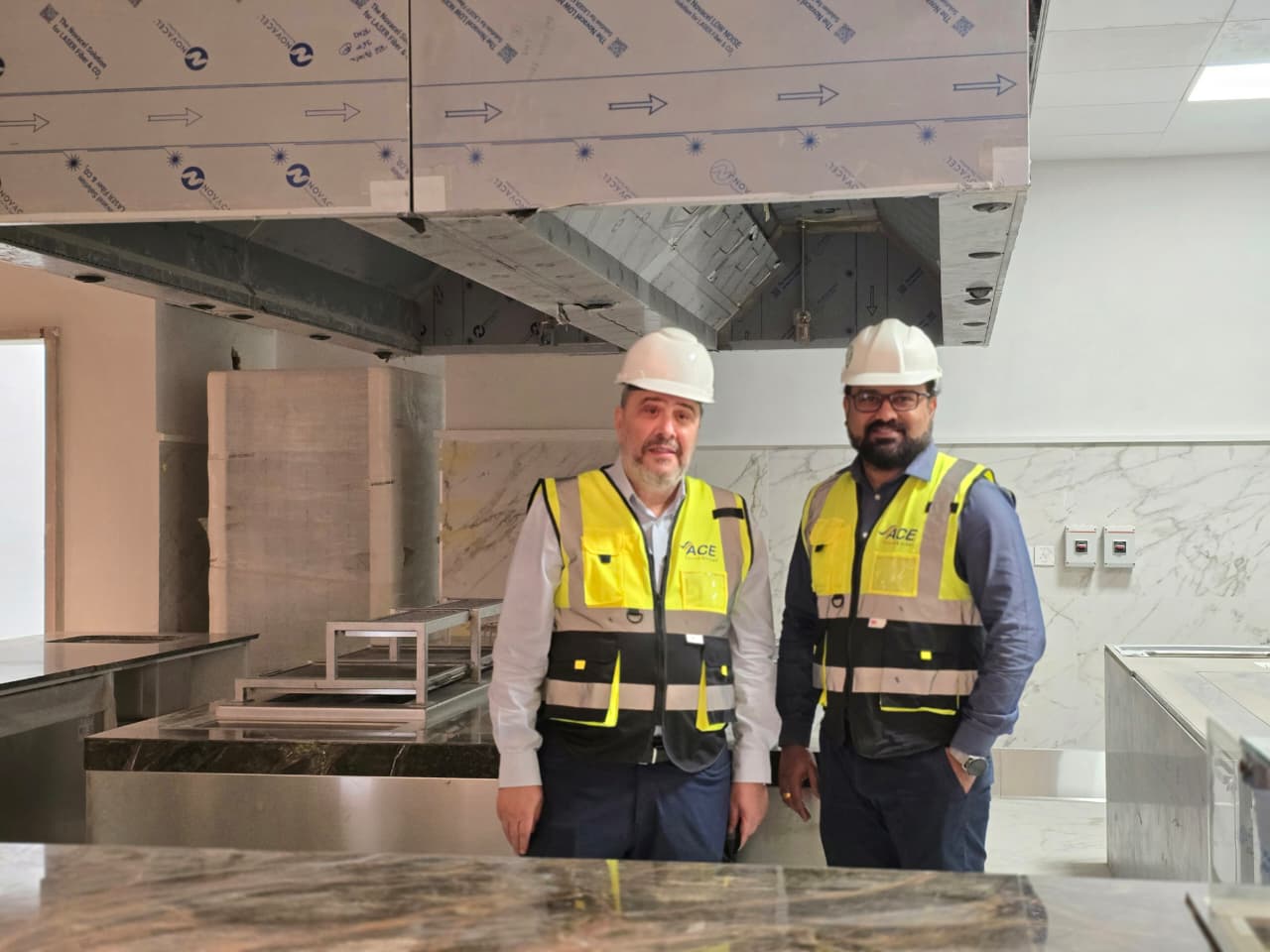
At Ace Future Kitchen, installation is carried out with precision. The team ensures that all equipment is placed and set up correctly. This helps avoid performance issues and reduces the need for rework.
Execution on-site is closely monitored to maintain quality and consistency. Every detail matters during this phase.
Step 5: Work Report Sheet and Tracker System
A structured tracking system is essential for managing project progress. At Ace Future Kitchen, every project is supported by a detailed work report sheet and tracker system.
This system helps in:
- Monitoring daily progress
- Identifying issues early
- Maintaining clear communication between teams
- Ensuring accountability at every stage
The tracker system provides transparency. It allows the team to stay aligned and ensures that the project moves according to plan. This approach also helps in maintaining timelines and avoiding delays.
Step 6: Testing and Commissioning
Before the project is completed, all equipment must be tested. Testing and commissioning ensure that everything works as expected under real conditions.
This step includes performance checks and safety verification. Any issues identified during testing are addressed immediately. It ensures that the kitchen is ready for operation without any disruptions.
Step 7: Final Handover
Once testing is complete, the project moves to the handover stage. This involves final checks and confirmation that all requirements have been met.
A smooth handover reflects proper execution. It ensures that the client receives a fully functional kitchen, ready for use from day one.
You can explore completed projects here.
Step 8: Maintenance and Ongoing Support
The project does not end with handover. Ongoing maintenance is important to ensure long-term performance.
Regular support helps keep equipment running efficiently. It also reduces the risk of breakdowns and extends the life of the equipment.
For a complete overview of available services, Click on the link
Why a Structured Process Is Important for Project Success
A structured process brings clarity and control to the project. It ensures that each stage is completed properly before moving to the next.
Key benefits include:
- Better coordination between teams
- Reduced chances of delays
- Consistent quality across all stages
- Improved efficiency and performance
When a project follows a clear process, it becomes easier to manage and deliver on time.
What Happens Without a Proper Project Process?
Projects without a structured approach often face several challenges:
- Delays due to poor coordination
- Miscommunication between teams
- Installation errors
- Increased costs rework
These issues can affect both timelines and overall performance. A defined process helps avoid such problems and keeps the project on track.
How Ace Future Kitchen Executes Projects with Precision
At Ace Future Kitchen, every project is handled with a clear focus on execution and accountability. The team follows a structured workflow that covers every stage, from equipment supply to final handover.
The use of work report sheets and tracker systems ensures that progress is monitored continuously. This helps maintain transparency and keeps all teams aligned.
With experience across a wide range of projects in Saudi Arabia, the company has developed a reliable approach to handling complex requirements. Each project is executed with attention to detail and a commitment to quality.
For updates and insights, you can also follow the company on LinkedIn: https://www.linkedin.com/company/acefuture
Frequently Asked Questions
1. What is the process of a commercial kitchen project?
It includes understanding requirements, equipment supply, scheduling, installation, tracking, testing, and final handover.
2. How long does a commercial kitchen project take?
The timeline depends on the size and complexity of the project. A structured process helps ensure timely completion.
3. Why is tracking important during project execution?
Tracking helps monitor progress, identify issues early, and maintain accountability. It ensures that the project stays on schedule.
4. What happens after installation is completed?
After installation, the project goes through testing and commissioning. Once everything is verified, the kitchen is handed over.
5. How do you choose the right contractor?
Look for experience, a structured process, and strong execution capabilities. Proper tracking and coordination are also important factors.
Conclusion
A commercial kitchen project requires more than just equipment and installation. It needs a clear process, proper coordination, and consistent monitoring.
By following a step-by-step approach, Ace Future Kitchen ensures that every project is executed efficiently. From initial planning to final handover, each stage is managed with care and attention to detail.
A structured process not only improves project outcomes but also builds trust. It ensures that clients receive a reliable and high-performing kitchen that meets their expectations.