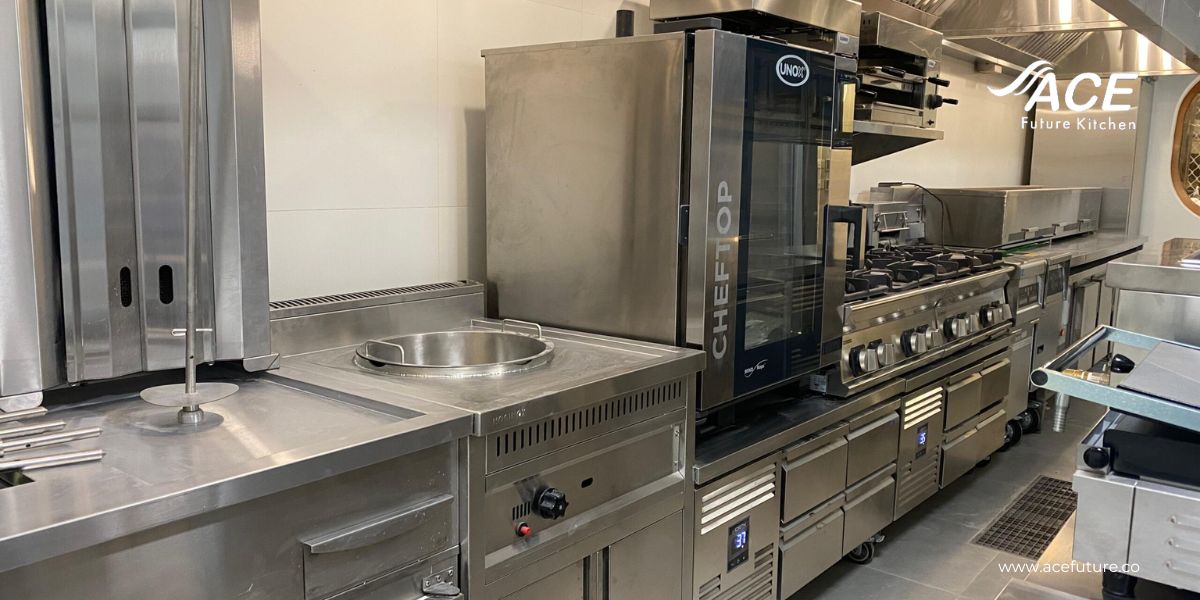
A commercial kitchen project involves many moving parts. From equipment supply to installation and final handover, every stage requires careful coordination. Even a small delay or miscommunication can affect timelines and operations. That is why success in such projects depends less on theory and more on how efficiently everything is executed on the ground.
At Ace Future Kitchen, the focus is always on execution, coordination, and accountability. With years of experience handling projects across Saudi Arabia, our team understands what truly makes a kitchen project run smoothly and deliver lasting performance.
What Makes a Commercial Kitchen Project Successful?
A successful commercial kitchen project depends on a few key factors:
- Clear planning and defined scope
- Reliable equipment supply
- Skilled installation and execution
- Strong coordination across teams
- Proper tracking and reporting systems
- Timely completion and handover
- Thorough testing and commissioning
- Ongoing maintenance support
Each of these elements plays an important role. When managed properly, they ensure that the kitchen operates efficiently from day one.
Key Factors That Ensure a Successful Commercial Kitchen Project
1. Clear Project Planning and Scope Definition
Every successful project begins with clarity. The requirements must be well understood before execution starts. This includes understanding the type of kitchen, the scale of operations, and the specific needs of the client.
Clear planning helps avoid confusion later. It also ensures that all teams involved are aligned from the beginning. Without this step, projects often face delays and unnecessary revisions.
2. High-Quality Equipment Supply
The quality of equipment directly affects performance and durability. Commercial kitchens operate under high pressure every day. Equipment must be reliable and built to last.
Choosing the right equipment from trusted manufacturers reduces the risk of breakdowns. It also improves efficiency and safety. At Ace Future Kitchen, equipment supply is handled with strict quality standards to ensure long-term performance.
3. Professional Installation and Execution
Even the best equipment will not perform well if it is not installed correctly. Proper installation ensures that everything functions as expected from the start.
Experienced technicians play a key role here. They understand the technical requirements and ensure that installation is done with precision. This reduces operational issues and avoids costly corrections later.
4. Strong Project Management and Coordination
Commercial kitchen projects often involve multiple stakeholders. These may include contractors, consultants, and site teams. Without proper coordination, delays are almost certain.
Strong project management keeps everything on track. It ensures that communication is clear and that every stage is completed on time. At Ace Future Kitchen, dedicated project managers and site engineers handle coordination to maintain smooth progress throughout the project.
To learn more about the company’s experience and approach, you can visit the About page
5. Work Report Sheet and Tracker System
One of the most important factors in project success is proper tracking. Every stage of the project must be monitored carefully.
At Ace Future Kitchen, each project is managed through a structured work report sheet and tracker system. This allows the team to track progress, identify issues early, and maintain accountability.
The tracker system ensures:
- Clear visibility of daily progress
- Better coordination between teams
- Timely updates for clients
- Improved control over timelines
This level of monitoring helps maintain consistency and reduces the chances of delays.
6. Timely Execution and Handover
Time is critical in commercial projects. Delays can affect business operations and lead to financial losses.
A well-managed project follows a clear timeline. Each phase is completed as scheduled, leading to a smooth handover. Timely execution reflects professionalism and builds trust with clients.
You can explore completed and ongoing projects here.
7. Testing, Commissioning, and Quality Checks
Before handover, every piece of equipment must be tested. This ensures that the entire system works properly under real conditions.
Testing and commissioning help identify any issues before the kitchen becomes operational. It also ensures safety and compliance with required standards.
This step is essential for delivering a reliable and fully functional kitchen.
8. Maintenance and Ongoing Support
A project does not end with installation. Regular maintenance is necessary to keep equipment running efficiently.
Ongoing support helps prevent breakdowns and extends the life of the equipment. It also ensures that the kitchen continues to perform at its best over time.
Common Challenges in Commercial Kitchen Projects
Despite careful planning, certain challenges can still arise:
- Delays in installation
- Poor coordination between teams
- Use of low-quality equipment
- Lack of proper tracking systems
- Incomplete testing before handover
These issues can affect both timelines and performance. However, they can be avoided with the right approach.
How to Avoid These Challenges
To minimize risks and ensure smooth execution:
When these practices are followed, projects are more likely to stay on schedule and meet expectations.
How Ace Future Kitchen Ensures Project Success
At Ace Future Kitchen, every project is handled with a clear focus on execution and quality. The company provides complete support across all stages, including equipment supply, installation, testing, and maintenance.
What sets the team apart is its structured approach. Each project is managed through detailed reporting and tracking systems. This ensures transparency and keeps clients informed at every stage.
The team also brings strong experience in handling large-scale projects across Saudi Arabia. This allows them to manage complex requirements with confidence and efficiency.
For direct inquiries or project discussions, visit: https://magical-swanson.68-178-161-5.plesk.page/contact-us/
You can also follow updates and industry insights on LinkedIn: https://www.linkedin.com/company/acefuture
Frequently Asked Questions
1. What is the most important factor in a commercial kitchen project?
Clear planning and proper execution are the most important factors. They ensure that the project runs smoothly from start to finish.
2. How long does a commercial kitchen project take?
The timeline depends on the size and complexity of the project. However, proper planning and coordination help complete projects within the expected timeframe.
3. Why is proper installation important?
Correct installation ensures that equipment functions properly and safely. It also reduces the risk of future issues.
4. What role does project management play?
Project management ensures coordination between all teams. It helps maintain timelines and ensures that every stage is completed efficiently.
5. Why is tracking important in project execution?
Tracking helps monitor progress, identify issues early, and maintain accountability. It plays a key role in delivering projects on time.
Conclusion
A successful commercial kitchen project depends on careful execution, strong coordination, and consistent monitoring. Every stage, from equipment supply to final handover, must be handled with precision.
By focusing on quality, proper installation, and structured tracking systems, Ace Future Kitchen ensures that each project is delivered efficiently and meets client expectations.
If you are planning a commercial kitchen project, choosing the right execution partner can make all the difference.